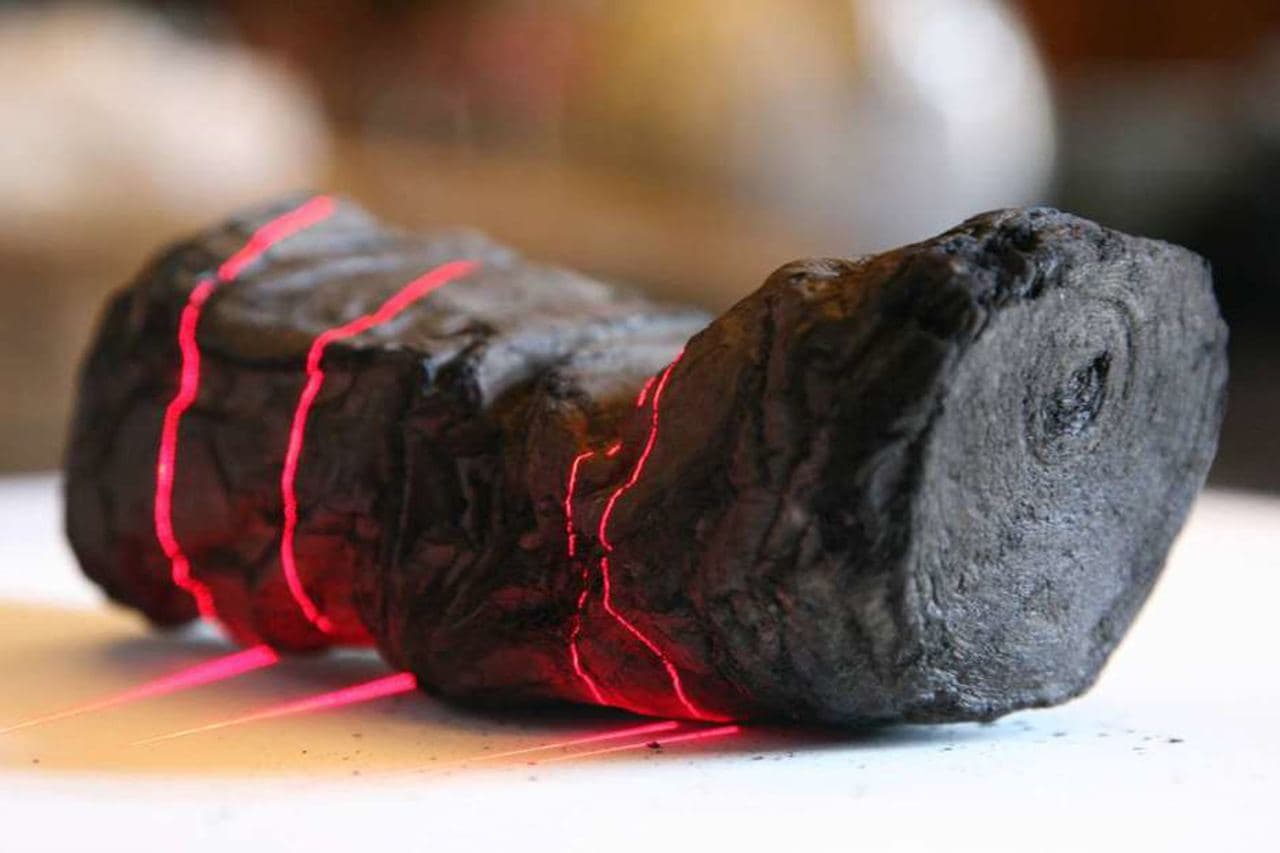
The scroll of papyrus from Herculaneum, charred during the eruption of Vesuvius, undergoes computer tomography. During the eruption, thousands of scrolls from the Herculaneum library were buried under 25 meters of ash and eventually turned to stone. They cannot be unrolled, but an algorithm will do this in the virtual world. By using X-ray scanning, thousands of slices of the papyrus are obtained, and then a neural network attempts to decipher the data obtained from the scans (the ink is slightly denser than the paper, making it visible in the X-ray images). Professor Brent Seales from the University of Kentucky has been developing software for penetrating such petrified papyri for over a quarter of a century, and now he is deciphering the only surviving ancient library, with the hope that soon these texts will significantly enrich our understanding of human history. Manuscripts do not burn!
· Essay · 1 min
Decoding the Herculaneum Papyri
The scroll of papyrus from Herculaneum undergoes computer tomography to decode ancient texts.