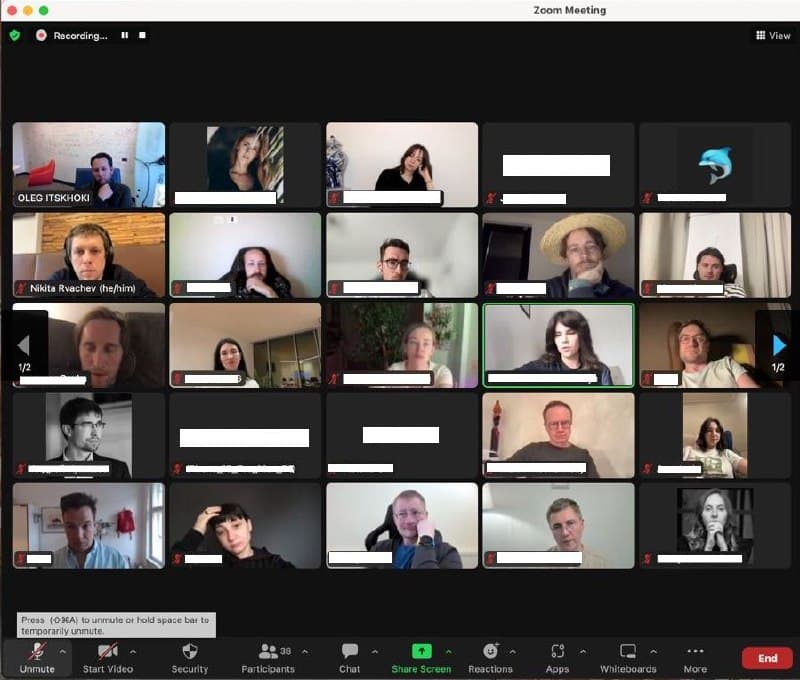
I'm quite impressed after the call in the closed community Future Talks with Oleg Itskhoki (the one with the John Bates Clark medal). Interestingly, it's not just geeks like me who think about the impact of the AI leap on our reality, but also fundamental economists.
The guys who organized these calls promised to prepare material based on it, and I will definitely share it here, but for now, I jotted down a few valuable thoughts and points:
Book: Second Machine Age by Andrew McAfee and Erik Brynjolfsson about the fact that we are currently experiencing a second technological revolution (where the first was the invention of the steam engine). The steam engine essentially removed the limitations on human physical strength, while AI removes the limitations on human computational strength. It became very interesting to study how people behaved, what they thought during the emergence of the steam engine, whether they understood how much the world was changing, etc.
Essay: Moore's Law for Everything by Sam Altman (Founder of OpenAI), about artificial intelligence (AGI) and its impact on society. Altman compares AGI to Moore's Law and talks about the potential for exponential growth thanks to AGI. He emphasizes the importance of fair distribution of the benefits from AGI and proposes a social dividend for this. He also highlights the safety of AGI. Overall, one of the directions discussed was universal basic income, Zero Marginal Cost Economics (noticing that most of what you consume online is free - Facebook, Instagram, ChatGPT, Wikipedia, YouTube, etc.). I find it astonishing that technology at the forefront of science has simply been given away for free to everyone (yes, I understand about RLHF, that we are the product, etc., but still).