🤖 Anthropic shared on their blog how to make Claude code for hours without supervision - and ensure the results don't fall apart.
The problem is familiar: you give the model a big task, it works for half an hour, and then it starts to lose track. The context window gets filled up, and the model 'forgets' what it was doing at the beginning. Plus, there's a second bug - the model can't critique its own code. You ask, 'Is everything okay?' - it replies, 'Yes, great,' even though half of it doesn't work.
The solution is to split the work among three agents. One plans (turning 'make me a dashboard' into a detailed specification). The second writes code in sprints. The third - the tester - opens the application through a browser and checks it like a real user: clicking buttons, filling out forms, seeing if anything is broken.
The key idea is borrowed from GANs (generative adversarial networks): the generator creates, the discriminator critiques. Teaching a separate agent to be skeptical turned out to be much easier than getting the author to critically assess their own work. Familiar, right?
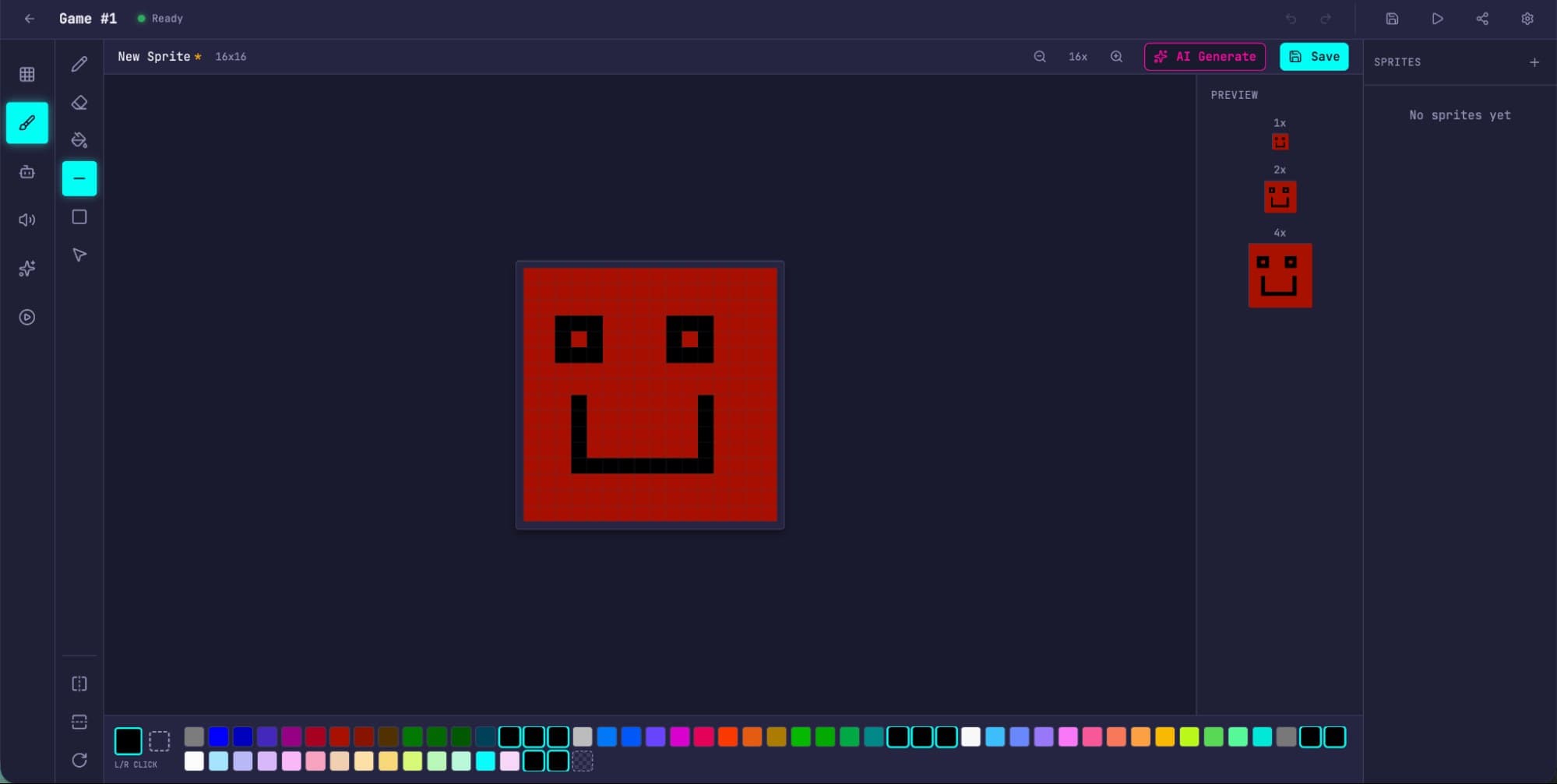
Comparison on a real task (retro game):
- One agent: 20 minutes, $9. Looks ready, but inside everything is broken.
- Three agents: 6 hours, $200. A working product with a polished interface.
With the release of Opus 4.6, part of the wrapper could be removed - the model started to handle things on its own. The authors conclude: each component in the harness is a crutch for a specific limitation of the model. A new model is out - review what else is needed and what can be discarded.
https://www.anthropic.com/engineering/harness-design-long-running-apps