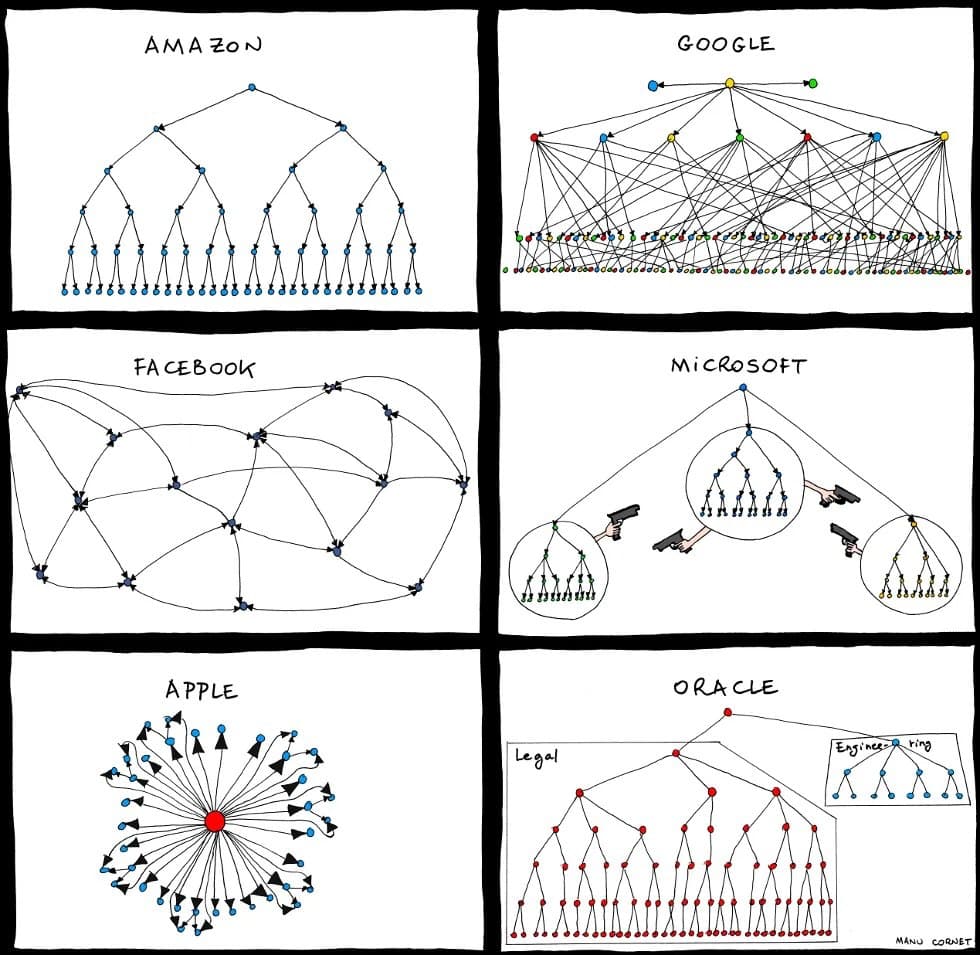
<p>Organizational structures are essential for any business. They define how tasks are divided, coordinated, and supervised. A well-structured organization can lead to improved efficiency and productivity.</p>
<p>There are several types of organizational structures, including functional, divisional, and matrix structures. Each has its own advantages and disadvantages, depending on the company's goals and size.</p>
<p>In a functional structure, the organization is divided into departments based on functions such as marketing, finance, and production. This allows for specialization but can lead to silos.</p>
<p>Divisional structures, on the other hand, group departments based on products, services, or geographical locations. This can enhance flexibility and responsiveness but may result in duplication of resources.</p>
<p>Matrix structures combine elements of both functional and divisional structures, creating a grid-like system. This can foster collaboration but may also lead to confusion and conflicts in authority.</p>
<p>Ultimately, the choice of organizational structure should align with the company's strategy and culture. Regular reviews and adjustments are necessary to ensure that the structure continues to meet the needs of the business.</p>
· Essay · 1 min
Organizational Structures
Organizational structures are essential for business, defining how tasks are divided and coordinated.