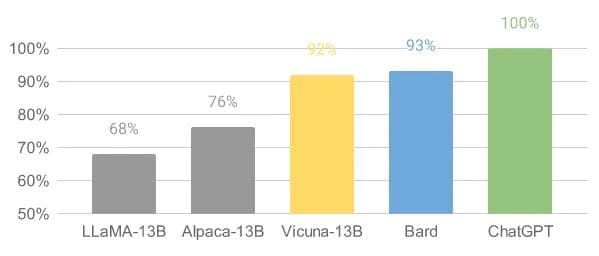
An amazing article has been released that explores the history of the development of the LLaMA base model from Meta (Facebook) and the models built on it. If you're interested in the details and differences between the models, I highly recommend reading it.
LLaMA is an open-source alternative to GPT. Many models with varying parameters and performance have been created based on it. Remember, the more parameters a model has, the more powerful it is, but it also requires more resources.
The article thoroughly covers the history of the LLaMA base model's creation, its modifications, architecture, number of parameters, efficiency, and features. It also describes the process of fine-tuning the models.
The list of models discussed includes:
- LLaMA base model
- Alpaca model
- Vicuna model
- Koala model
- GPT4-x-Alpaca model
- WizardLM model
- OpenAssistant model
You can run all these models on your computer and integrate them into your own programs.
Read the article at the link: https://agi-sphere.com/llama-models/