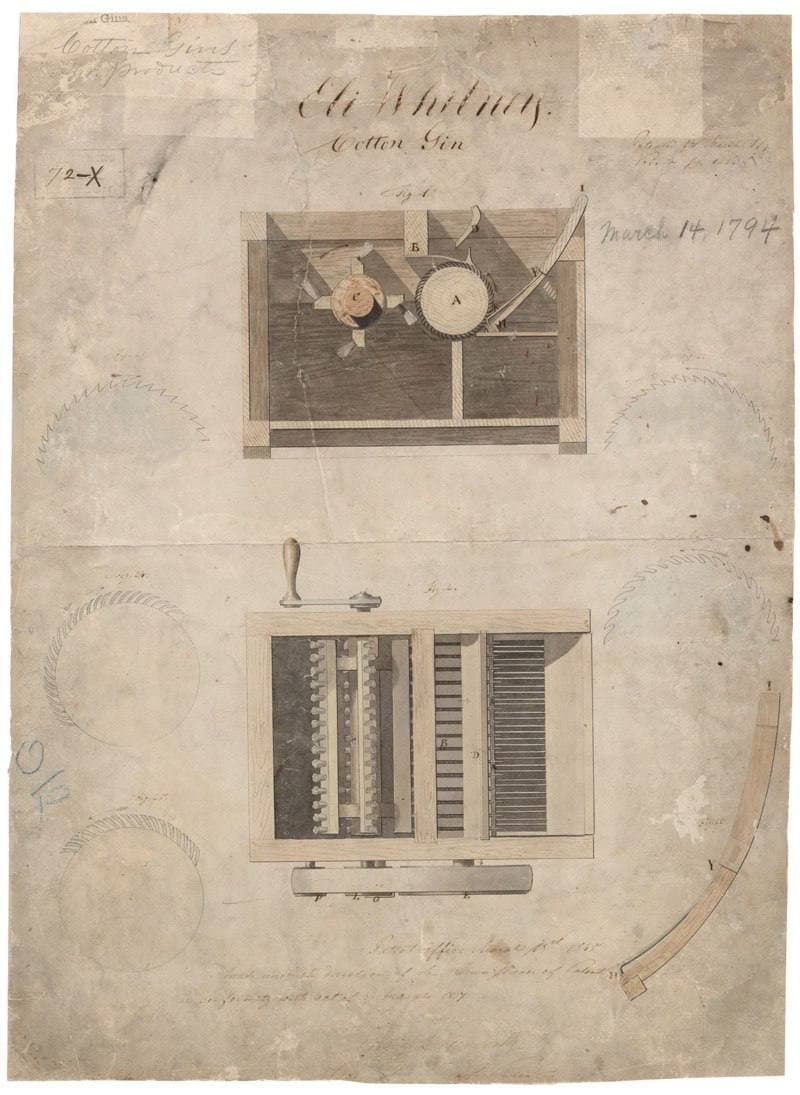
In 1793, Eli Whitney invented the cotton gin, which radically changed the cotton industry. Before that, cotton was cleaned by hand, and the process was so labor-intensive that each worker could clean only about one pound of cotton a day. Whitney's machine allowed one person to process up to 50 pounds a day, which seemed like a huge breakthrough. However, the consequences turned out to be the opposite: instead of reducing the need for labor, the machine increased it. Cotton production soared, requiring more people for planting and harvesting, which led to the growth of the slave system in the U.S. Instead of easing working conditions, technology made them worse, increasing dependence on slavery.
Similarly today, many fear that AI will take our jobs. But, considering the lessons of the past, one might suggest that technology will create new bottlenecks where even more effort and labor will be needed. In the near term, this could lead to social and economic upheaval before society adapts. And only when we approach AGI will we truly find ourselves in the role of 'ants'. I have a theory about this, which I will write about someday.
🔗 Source: https://www.archives.gov/education/lessons/cotton-gin-patent
P.S. Thank you @raliev1978 for the tip